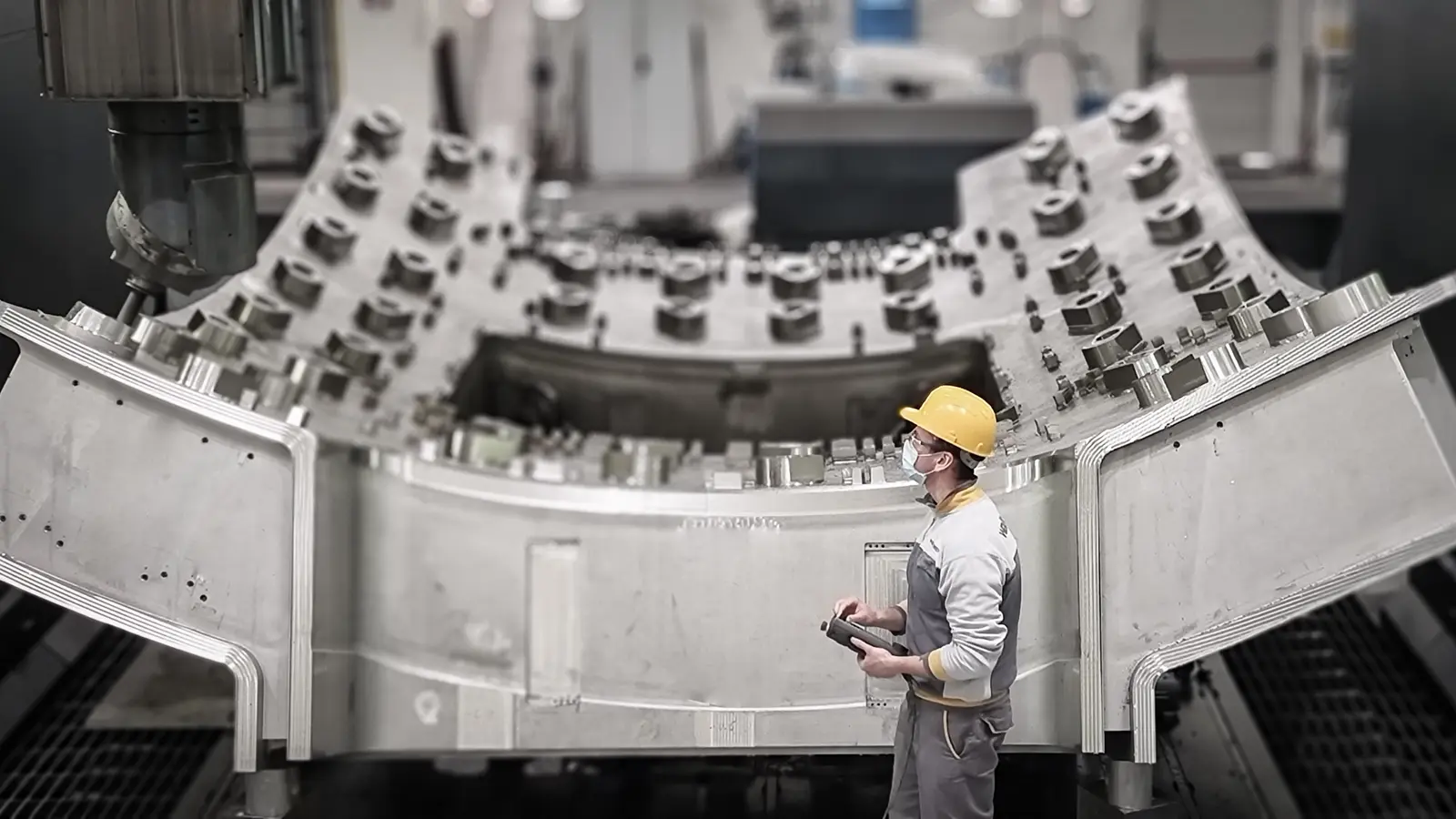
Commercial value is forming in magnets, lasers, pulsed power, diagnostics and manufacturing before the first grid-scale plant.
The first commercial fusion plant has not arrived, but the fusion economy is no longer hypothetical. Developers are buying specialized components, facilities and expertise now.
The Stanford–SLAC workshop report cites annual fusion supply-chain spending above $500 million. The exact total will move, but the strategic point is stable: enabling companies can earn revenue while reactor developers retire risk.
This market rewards capabilities that are scarce, difficult to qualify and useful across architectures. High-temperature superconducting magnets, pulsed-power systems, high-average-power lasers, radiation-hard diagnostics, precision manufacturing and remote robotics all fit that description.
The best suppliers will accumulate proprietary process knowledge as they fill purchase orders and help define interfaces that persist from prototypes into fleets.
Prototype demand can nevertheless flatter the market. One-off components can rely on labour-intensive, bespoke work, repeated redesign and prices that a fleet cannot. A durable supplier must convert those orders into repeatable processes, documented quality and capacity that can expand without losing yield. The transition from workshop to production line is itself a fusion milestone.
The supply chain belongs at the center of fusion strategy. Scientific ambition meets production reality there, and national advantage can either compound or leak away.